Choosing the right HVAC system for your home is about more than just cooling on hot days—it’s about efficiency, comfort, and long-term cost savings. Homeowners often face a choice between traditional central air systems and modern
mini split systems, each with unique advantages. Understanding the differences, maintenance requirements, and installation considerations can help you make the best decision for your home. Whether you’re searching for
HVAC installation,
HVAC repair, or
HVAC maintenance near you, this guide will provide a clear, expert perspective to help you decide which system fits your needs.
How Central Air Systems Work
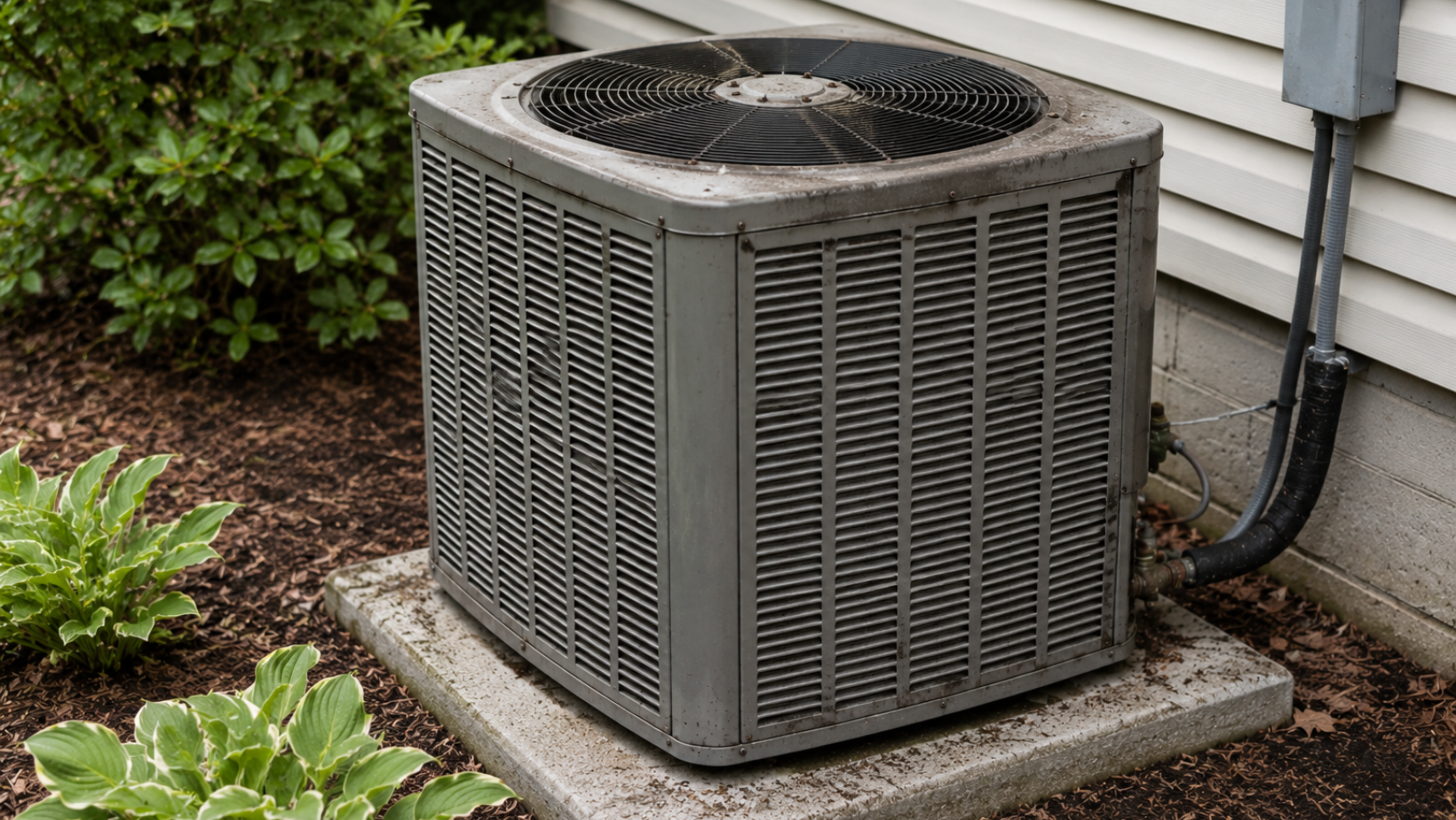
Central air systems have been the standard for decades, delivering cooled air through a network of ducts and vents. They provide consistent, whole-home cooling and can be paired with your heating system for year-round comfort.
One of the main benefits of central air is uniform temperature control. When properly installed and maintained, it can efficiently keep every room at a comfortable level. Regular HVAC maintenance ensures that filters, coils, and ductwork stay clean, preventing energy waste and costly repairs.
For homeowners in need of full-home comfort and who value the convenience of a single system, central air remains a reliable choice.
The Rise of Mini Split Systems
Mini split systems, sometimes called
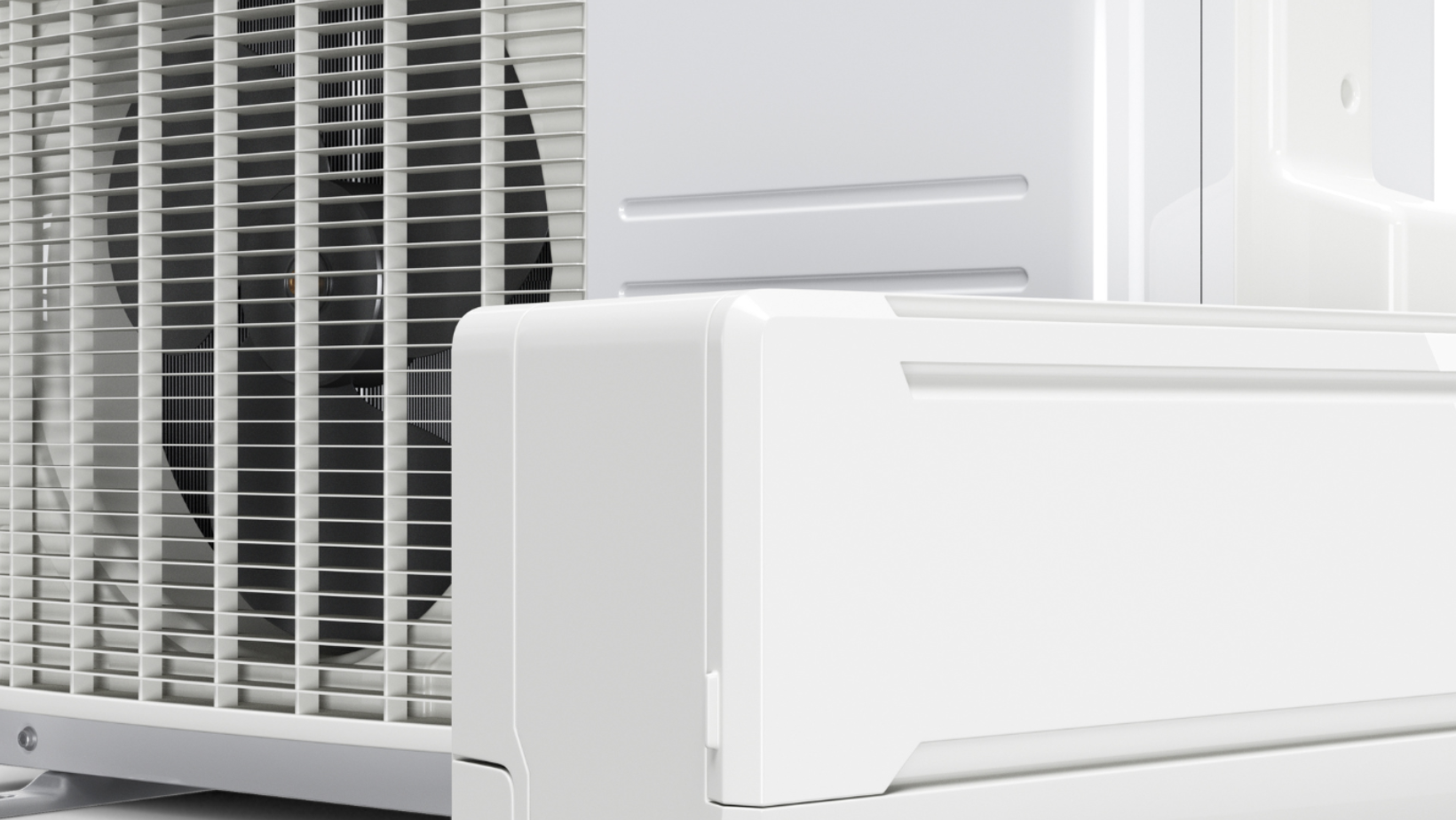
ductless AC, are gaining popularity for their flexibility and efficiency. Unlike central air, mini splits deliver cooling directly to individual rooms or zones, allowing precise temperature control and reduced energy waste.
Because they don’t rely on ductwork, mini splits are ideal for homes without existing ducts, room additions, or spaces where extending central air would be disruptive. They also offer easy HVAC maintenance since the indoor units are accessible and components are often modular.
Homeowners seeking lower energy bills, customizable comfort, and simple installation options often find mini splits to be a strong alternative to traditional central air.
Comparing Efficiency and Energy Costs
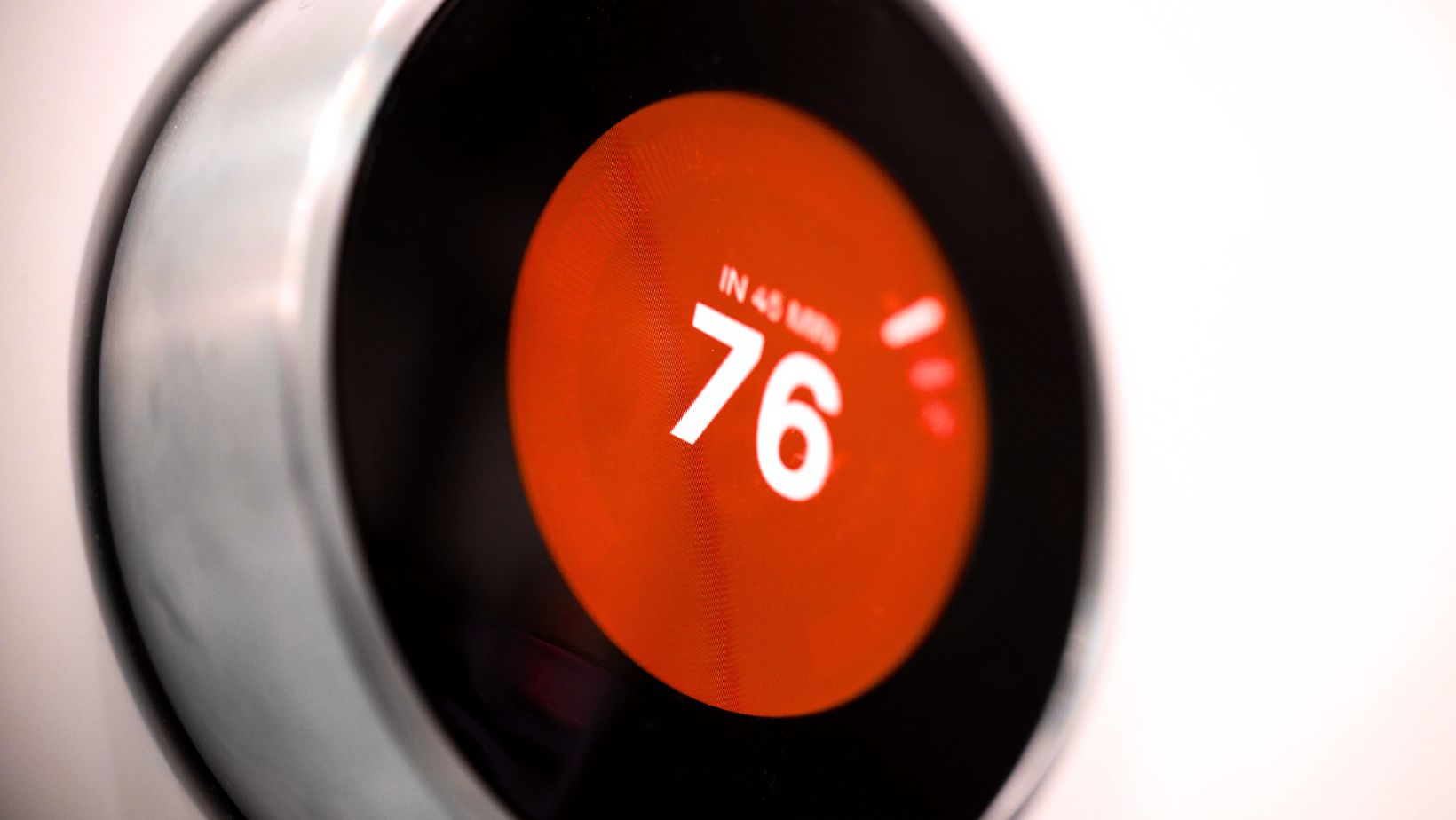
Energy efficiency is a major factor when choosing between central air and mini split systems. Central air efficiency can vary depending on duct condition, age of the system, and thermostat settings. Leaky ducts or dirty components can reduce performance and increase energy bills.
Mini split systems, however, are typically more energy-efficient because they cool only the spaces you use. They allow for individual room control, meaning you’re not paying to cool empty rooms. Over time, this efficiency can translate into significant savings on utility bills.
Regular HVAC maintenance, regardless of system type, is key to maintaining efficiency, prolonging lifespan, and preventing costly HVAC repair.
Installation Considerations
Central air installation usually requires ductwork, making it more complex and potentially more expensive for homes without existing ducts. However, if your home already has ductwork, a central air upgrade can be straightforward and provide whole-home coverage.
Mini split installation is generally quicker and less invasive since no ducts are needed. This can be especially beneficial for renovations or additions. Professional HVAC installation ensures the system is sized correctly and optimized for your home’s layout.
Maintenance and Longevity
Both systems require ongoing care to perform well. Central air depends on clean filters, well-maintained ducts, and routine inspections to prevent breakdowns. Mini splits require attention to indoor unit filters and occasional professional servicing to maintain refrigerant levels and system efficiency.
Choosing a local HVAC provider ensures timely maintenance, quick HVAC repair when needed, and long-term support. A trusted team can help you decide which system fits your lifestyle and keep it running smoothly year-round.
Making the Right Choice for Your Home
Ultimately, the decision between central air and mini split comes down to your home’s layout, budget, and comfort priorities. Central air is excellent for whole-home coverage and consistent temperature control, while mini splits offer flexibility, energy efficiency, and zoned comfort.
A professional HVAC evaluation can help you weigh the pros and cons, compare long-term costs, and ensure you make an informed decision that maximizes comfort and efficiency.
At
Air Solutions Heating & Cooling we offer
HVAC Maintenance Plans for Your Home. Air Solutions Heating & Cooling proudly serves
Chattanooga, TN, Hamilton County, and Ringgold, GA with expert HVAC repair, maintenance, and installation services.